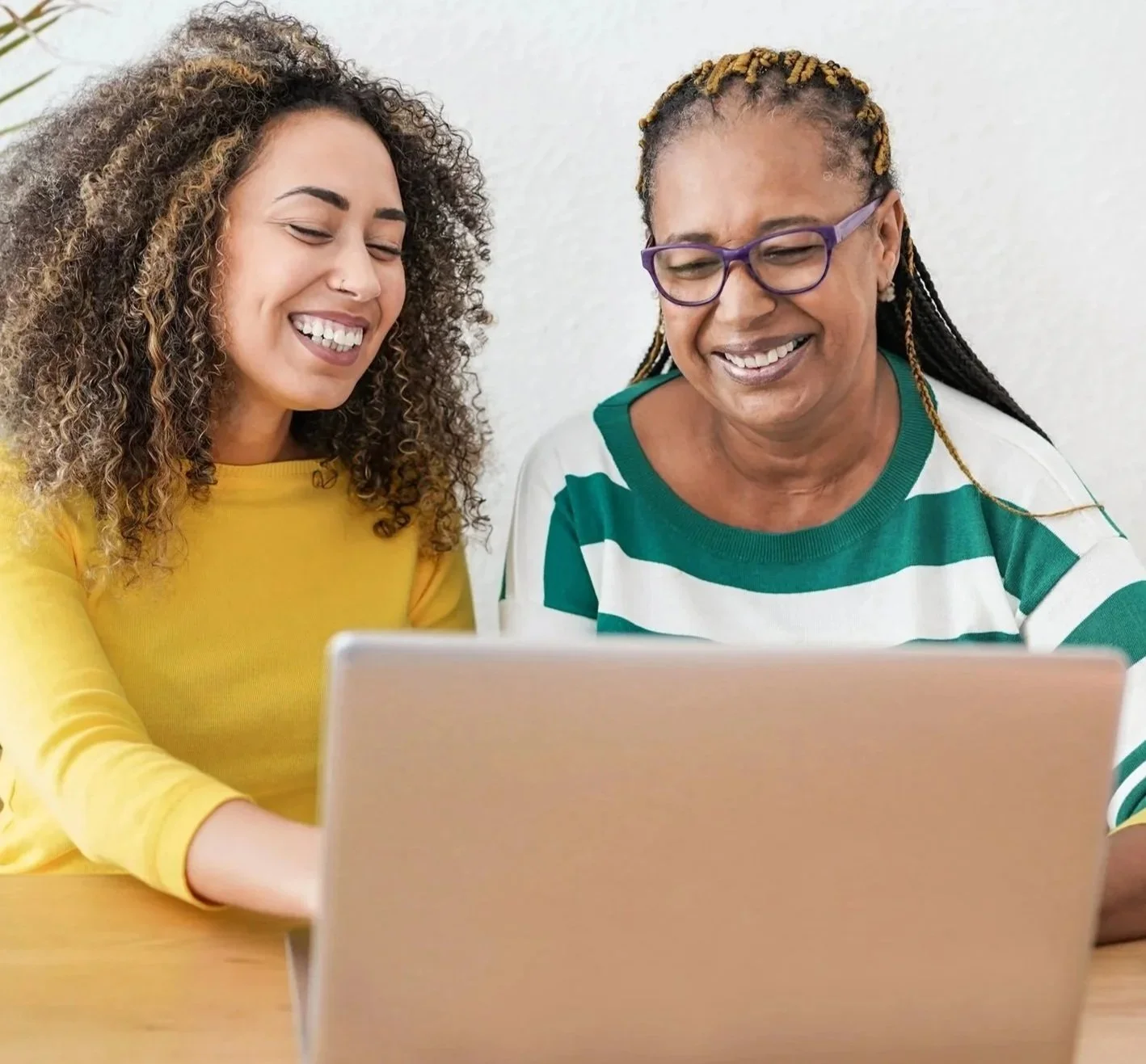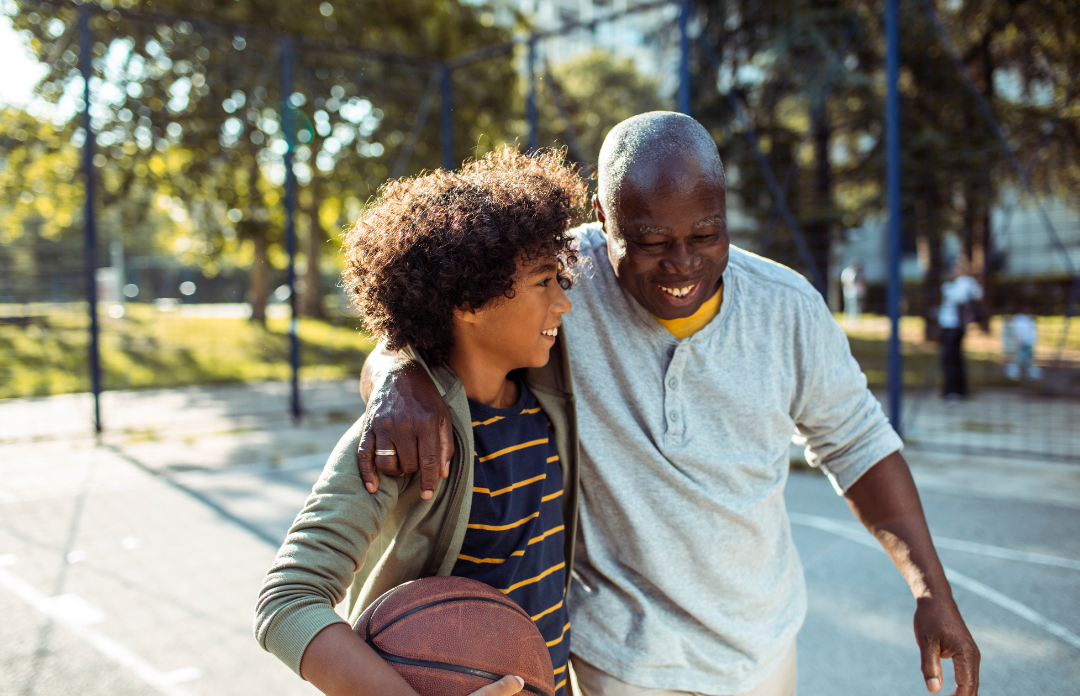
In today’s world, people of different ages often live, work, and spend time separately. Because of this, intentional relationships between generations are more important than ever. In the past, it was common for several generations of a family to live in the same home. Grandparents often helped care for children and manage the household while parents worked. These homes created natural opportunities for people of different generations to learn from and support one another. Today, most families live in smaller households apart from one another. As a result, many people miss out on the valuable connections that were once built into home life.
Intergenerational communities bring people of different ages together to learn from, support, and understand one another. These communities are about more than simply being in the same place. They create opportunities for real connections and a sense of belonging across age groups. When done correctly, they benefit everyone involved and help build a more caring and understanding society.
Benefits for Younger People
Spending time with older adults gives younger people a connection to the past. History books can teach important events, but only someone who lived through those times can share what daily life was really like. Their personal stories and experiences can bring advice and guidance to younger people facing their own challenges and decisions. These experiences often provide wisdom that peers of the same age may not have.
Interacting with older generations can also broaden young people’s learning and understanding. Research shows intergenerational programs can improve children’s reading skills, social and emotional learning, and help develop leadership skills.
Benefits for Older People
Older adults also gain from intergenerational communities and programs. In 2024, one in three older adults reported feelings of social isolation and loneliness. Bringing generations together can reduce those feelings for all involved. These connections also support brain health. When older adults interact with younger generations, they continue learning and staying mentally active.
According to the National Council of Aging, intergenerational connections may also lower the risk of falls in older adults. This is because these programs often encourage physical activity, improve confidence, and support cognitive health. All of these contribute to safer and healthier aging.
Intergenerational connections can also increase happiness and fulfillment. A study started by Harvard in 1938 that continues to this day, called the Harvard Study of Adult Development, found older adults who built relationships with younger generations were three times as likely to report being happy and fulfilled compared to those who did not.
Benefits for All Ages
People of all ages benefit from intergenerational communities. Along with the advantages already mentioned, these relationships can improve mental and emotional well-being for everyone. They also break down stereotypes and encourage empathy. When people spend time with people from other generations, they develop a better understanding of each other’s experiences and challenges. This can reduce ageism, prevent exclusion, and create stronger support networks for both younger and older generations. As a result, communities become better at recognizing and responding to the needs of people at every stage of life.
Grandparents Day is September 13th, and a great chance to recognize and celebrate the impact of intergenerational connections. Grandparents, and those filling a grandparent role, often play an important role in connecting generations in families, but the benefits extend beyond individual families. By creating opportunities for people of all ages to connect, share experiences, and learn from each other, we can create stronger and more compassionate communities throughout the year.
In a society where generations are often separated, creating these connections is more important than ever. Intergenerational communities and relationships help people learn, reduce loneliness, and strengthen communities. Whether through family relationships or community programs, small acts of connection make a lasting impact. By bridging this divide, we build a more connected, supported, and empathic world for all.
Ty Mynes is a Communications Specialist and Writer at JABA.